Scoring the Crust, Honoring the Fruit: A Cobbler Examined the Juku Way
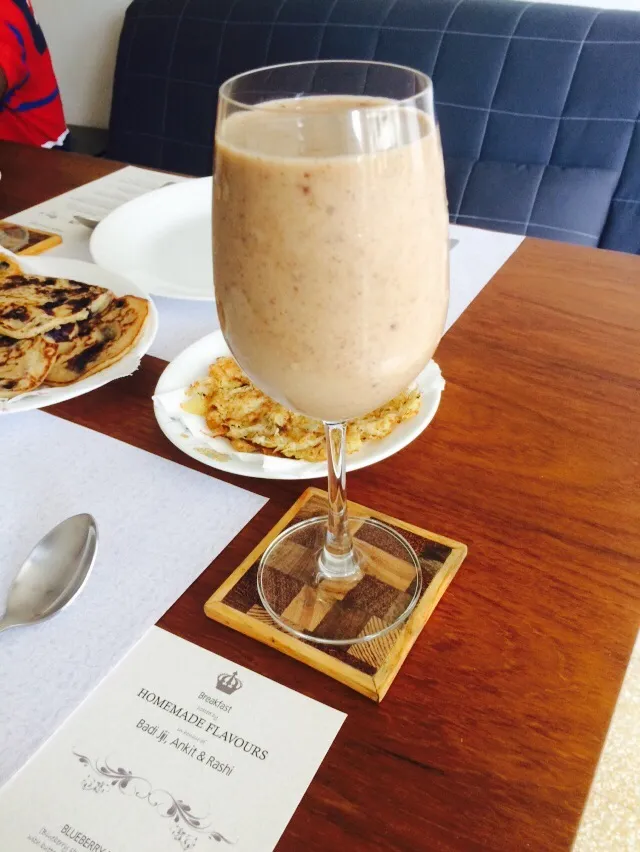
Photo: Homemade-Flavours, CC BY-SA 4.0, via Wikimedia Commons
At the juku where I studied in Kanagawa, no dish was ever simply finished. Each session concluded with hansei — a written reflection, sometimes a numerical score, always an honest accounting of what went well and what did not. The first time my teacher handed me a small card to grade my own simmered peaches, I bristled. Dessert, I believed, was meant to be enjoyed, not evaluated. Two decades later, standing in my Kentucky kitchen with a bubbling cobbler cooling on the counter, I understand what she was teaching: assessment is a form of respect.
The peach cobbler holds a sacred place in American home cooking, particularly in the South, where grandmothers guard their recipes and church potlucks double as informal competitions. It is beloved precisely because it is forgiving — a generous dessert that welcomes imperfect fruit and imprecise measurements. But forgiveness, I have come to believe, is a poor teacher. What if we treated the cobbler the way a juku treats its students: as a practice worthy of structure, measurable across seasons, improvable through honest self-examination?
Why Grade a Comfort Food?
The Japanese cram school, or juku, is built on a simple premise: mastery comes through repeated, structured evaluation. Not to shame the student, but to make progress visible. A cook who bakes the same cobbler every August without reflection bakes the same cobbler every August. A cook who grades herself — even informally — bakes a different cobbler each year, each one closer to her intention.
Below, I offer the five components my own kitchen examines each peach season. Score each from 1 to 5, record the total, and keep the card with your recipe. By the third summer, the numbers begin to tell a story.
Component One: The Fruit Itself (20 points)
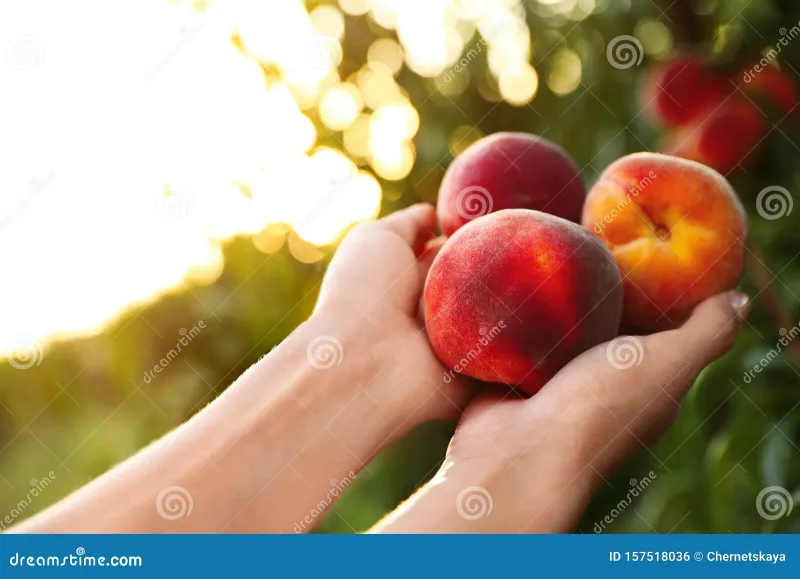
Every great cobbler is decided before the oven is turned on. Japanese cooking teaches that the ingredient announces its quality in advance — the peach should smell like itself before you touch it, and yield only slightly at the shoulder. Were your peaches fragrant, freestone, and at true ripeness? Or did you settle for firm supermarket fruit, hoping sugar would compensate? Sugar compensates for nothing; it merely shouts over silence.
Component Two: Juice Management (20 points)
The cobbler's central tension is liquid. Too little thickener and you serve sweet soup; too much and the fruit's own nectar is silenced. The Japanese instinct toward mizu no aji — the taste of water itself — applies here: the goal is not to control the juice but to honor it, letting the peaches release just enough of themselves. Did your filling hold a clean spoon-line? Did the fruit taste of fruit, or of cornstarch?
Component Three: The Topping's Character (20 points)
An American cobbler topping may be biscuit, batter, or pastry — there is no single correct form. But whatever form you choose, it must be chosen deliberately. Examine the crumb: is it tender beneath, crisp above, with visible structure? A soggy underside reveals rushed assembly; a tough crust reveals overworked dough. In my teacher's kitchen, texture was never described as good or bad, only as intentional or accidental. Grade accordingly.
Component Four: The Balance of Sweetness (20 points)
American baking tends toward abundance; Japanese pastry toward restraint. The examination question is not whether your cobbler is sweet, but whether its sweetness serves the peach. Taste a spoonful the next morning, when the flavors have married. If you remember the sugar before the fruit, deduct points. If the peach arrives first and the sweetness follows like an echo, award full marks.
Component Five: Presentation and Consideration (20 points)
The final component measures what the Japanese call omoiyari — consideration for the person receiving the dish. A cobbler brought to a neighbor should be warm when it arrives, or accompanied by instructions for rewarming. The serving spoon should be provided. The dish should be one you can bear to lend away. Presentation here is not decoration; it is hospitality made visible.
The Rubric, Recorded
Copy this card onto an index slip and tuck it into your recipe binder:
- Fruit quality — fragrance, ripeness, variety choice (1–5)
- Juice management — filling structure, clarity of flavor (1–5)
- Topping character — texture contrast, intentionality (1–5)
- Sweetness balance — fruit-forward, restrained (1–5)
- Consideration — serving, sharing, care of the recipient (1–5)
Total: ___ / 25
A score of 25 is not the goal. My highest-scoring cobbler, a 23, taught me less than the 14 I baked the following June, when a late frost shortened the Georgia season and I learned to work with what the orchard actually offered.
A Practice, Not a Verdict
There is a risk, I admit, in importing the language of examination into something as tender as a family dessert. But the juku's true lesson was never the grade — it was the habit of looking honestly at one's own work and returning, season after season, to do it again with greater care. Your grandmother's cobbler recipe deserves that attention. So does the peach, and so do you.
Bake. Score. Reflect. Then, when next summer arrives, bake again.