Welcome to Momoiro Tomejuku: A Study of the Peach, Taught the Japanese Way

Photo by Photo by Snappr on Unsplash on Unsplash
Every school begins with a door. At Momoiro Tomejuku, ours opens onto something as ordinary and as extraordinary as a single peach.
If you have arrived here wondering what, exactly, this place is, allow us to explain — because the answer says as much about Japanese food tradition as it does about our little corner of the internet.
What Is a Juku?
In Japan, a juku (塾) is a private academy — a small school where students gather to study a single discipline with focus and devotion. There are juku for calligraphy, for tea, for the abacus, for the art of conversation. What distinguishes a juku from a casual class is its philosophy: mastery comes not from talent but from repetition, attention, and humility before the subject.
Momoiro Tomejuku applies that philosophy to the peach. Momoiro (桃色) means peach-pink, the color the Japanese have long associated with spring, youth, and good fortune. Our school teaches traditional peach-derived recipes and home cooking traditions the way a juku teaches brushwork: slowly, deliberately, season by season.
Why the Peach Deserves a School
In Japan, the peach is more than a fruit. It appears in the oldest chronicles as a charm against evil; it is offered at shrines; it stars in the confections of spring. Japanese cooking treats the peach with what we might call teinei — careful, considerate handling. The skin is addressed with the knife, not torn. The season, or shun, is honored rather than stretched across the calendar.
American kitchens, we have found, are hungry for this approach. The peach is beloved across the United States — from Georgia to the orchards of Washington and New Jersey — yet it is often bought hard, ripened by accident, and eaten in haste. Our students come to us wanting something different: a relationship with the fruit.
What We Teach
Our curriculum follows the fruit through the year, and through the kitchen:
- Selection and ripeness — learning to read a peach by sound, scent, and gentle pressure before you ever cut it.
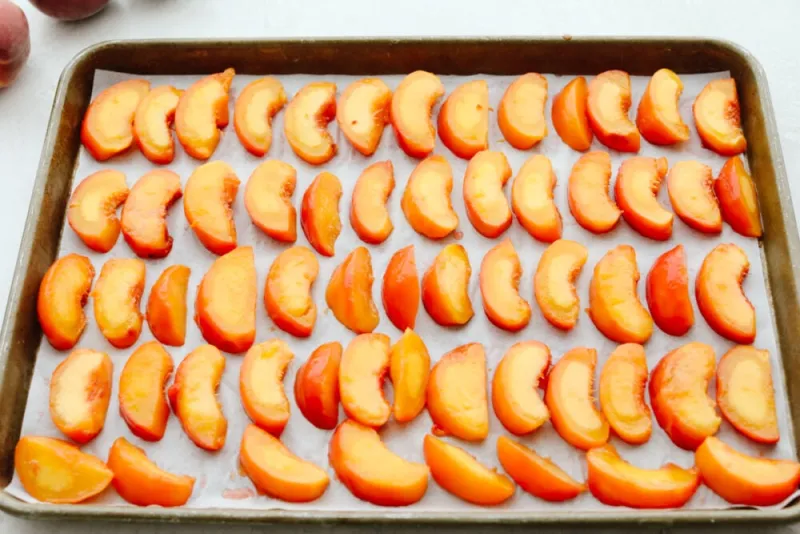
- The knife — a single blade, well cared for, and the discipline of cutting one hundred slices with equal attention.
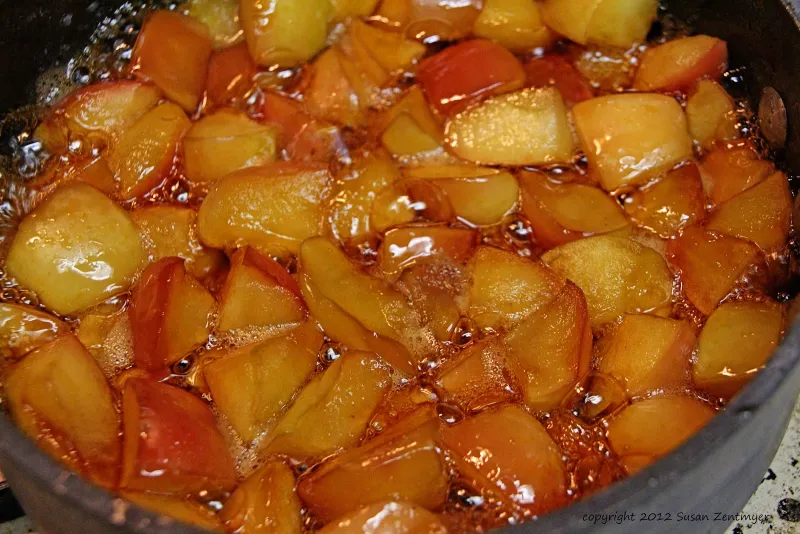
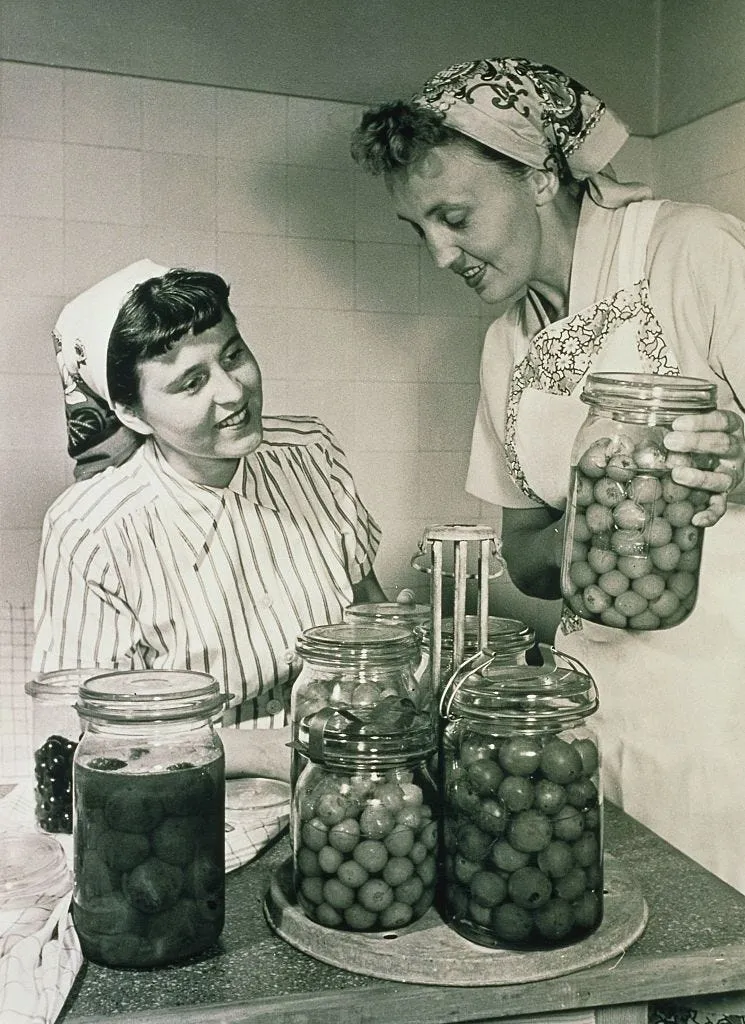
- Preservation — syrup-packed jars for neighbors, seven-week ferments, and the slow patience of hang-dried peach.
- Whole-fruit cooking — peach rice, peach tea, and other Japanese uses that honor the entire harvest.
- The philosophy of service — how offering fruit with chopsticks, or packing it for tomorrow's lunchbox, becomes a study in consideration.
None of these lessons require equipment you cannot find in an American kitchen. A good paring knife, a few mason jars, salt, vinegar, and sugar — that is nearly the whole of it.
How to Begin
In a juku, the student does not begin with mastery. The student begins with a single observation. We suggest you do the same:
- Buy one peach this week — just one — and eat it without distraction.
- Notice where it gave, where it resisted, and what it smelled like before the first bite.
- Write down what you noticed. Ink and juice stains are welcome.
That is the entire first lesson. Everything else on this site — the recipes, the techniques, the month-by-month maps of the season — grows from that single act of paying attention.
A Word on Seasons
Our teaching follows shun, the Japanese idea that every ingredient has a brief moment of truest flavor. For American peaches, that moment generally runs from June through August, shifting north as summer deepens. We publish accordingly, and we encourage you to cook with the calendar rather than against it. A peach in July is a different creature from a peach in November, and pretending otherwise is the first habit we ask students to unlearn.
Enrollment Is Always Open
There are no entrance exams at Momoiro Tomejuku — only the willingness to look closely at a piece of fruit. Whether you found us searching for a way to use a farmers market haul, or you simply wonder why Japanese cooking treats summer so reverently, you are welcome here.
Pull up a stool. The peaches are ripening on the counter, and the first lesson is always the same: notice them before you touch them.