One Peach, Wrapped With Intention: The Japanese Art of Giving Fruit as a Gift
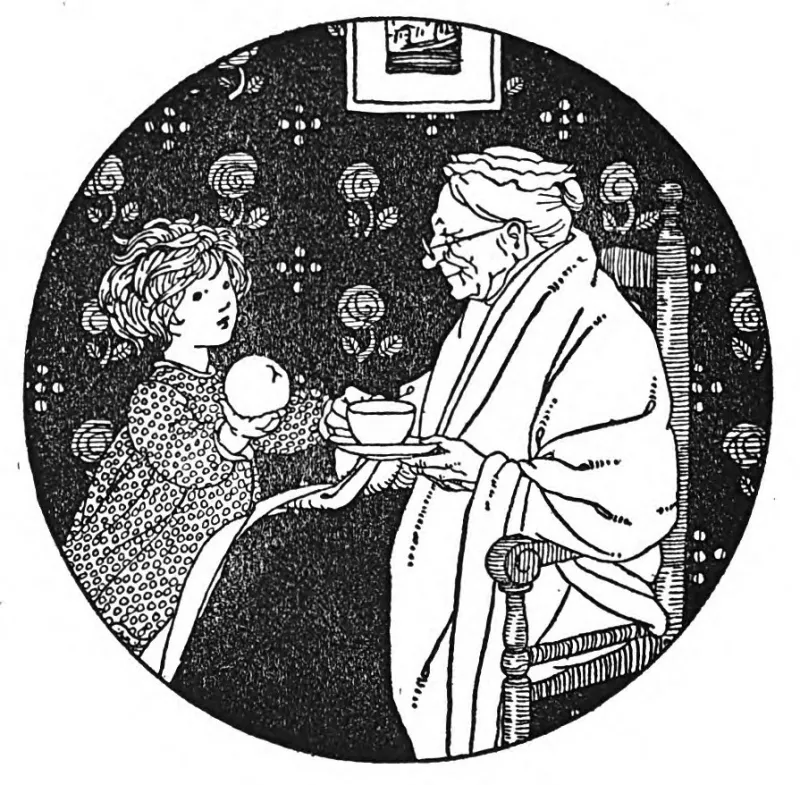
Photo: Marguerite Davis, Public domain, via Wikimedia Commons
Walk through the premium fruit counter of a Tokyo department store in August and you will understand something immediately: the peach is not casually sold. It is curated. Each one rests in its own foam cradle, inspected for symmetry of color, the fineness of its fuzz, the absence of so much as a shadow on its skin. Price tags can run astonishingly high. To an American shopper, this may look like extravagance. In Japan, it is grammar—the established language of a very old custom.
Fruit as Formal Gift: A Brief Lineage
Fruit has served as a gesture of respect in Japan for centuries, appearing in religious offerings and in the custom of noshi-gami accompanying formal presents. In the postwar era, luxury fruit gifting became its own institution, with senbikiya-style shops elevating individual melons and peaches into objects of ceremony. The logic underneath is simple and rather beautiful: because fruit is perishable, fragile, and the product of a specific season and a specific orchard, it cannot be hoarded. It must be received, enjoyed promptly, and remembered. A gift that cannot be kept is a gift that demands presence.
There is also the matter of what the peach itself signifies. In Japanese folklore it is a fruit of protection and long life—the momotaro legend begins with a peach drifting down a river. To hand someone a perfect peach is, quietly, to wish them well-being.
Why One Peach Can Outweigh a Basket
American gift culture trends toward abundance: the fruit basket, the sampler box, the cellophane tower. Generosity is measured in volume. The Japanese tradition inverts this. Selecting a single, flawless specimen says, I looked carefully on your behalf. The scarcity is the point. Anyone can gather a dozen; finding the one worth giving requires attention, and attention is the true gift.
This does not mean the practice translates as austerity. It translates as focus. Consider where it fits naturally into American life:
- The hostess gift. Instead of the obligatory bottle of wine, arrive with one perfect late-July peach, wrapped and presented at the door. It gives your host something to enjoy the next morning, alone, after the guests have gone.
- Teacher appreciation. A single wrapped peach with a short handwritten note sidesteps the mug-and-candle problem entirely. It is seasonal, consumable, and elegant.
- The new neighbor. Americans traditionally bring baked goods when someone moves in. A peach from a local farm stand accomplishes the same welcome while introducing the neighborhood's own harvest.
- The thank-you that deserves more than a text. When a friend has done something genuinely significant, a wrapped peach signals that the gratitude was not improvised.
Choosing the Specimen
The selection is a discipline in itself. Look for:
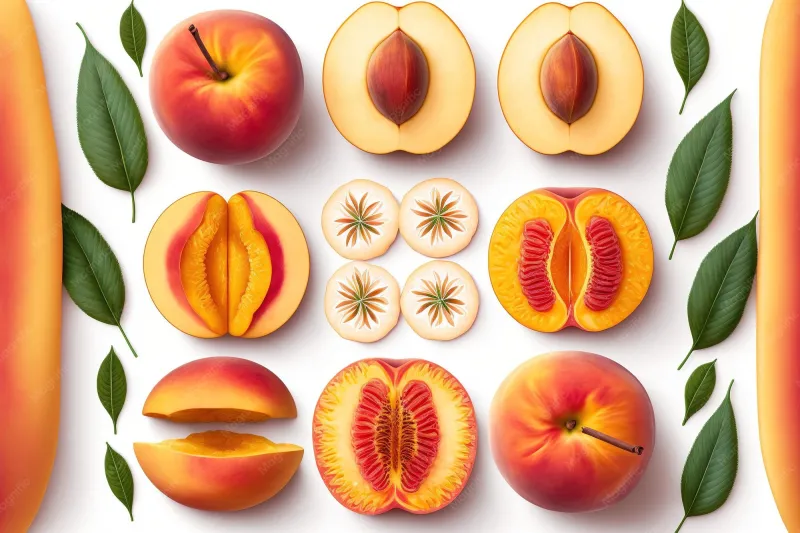
- Background color. Beneath the red blush, the ground color should be warm gold or cream, never green. Green means the peach was picked too early and will never ripen properly.
- Shape and symmetry. A gift peach should be round and full, with a defined crease and no flat or bruised flank.
- Fragrance at the stem. Lift it to your nose. A gift-worthy peach announces itself before it is bitten.
- Condition of the skin. No punctures, no sticky sap, no dark bruising where the fruit rested on a branch.
- Ripeness for tomorrow, not today. Since a gift will be eaten within a day or two, choose fruit that is fragrant but still faintly firm. It will reach its peak in the recipient's hands, which is a small act of trust.
Buy from a farmers market or orchard stand when you can, and ask the grower which variety is at its peak this week. Mentioning the farm by name in your note adds provenance, which the Japanese tradition regards as essential context for any gift.
Wrapping: A Simple Furoshiki Method
The furoshiki is a square cloth used to wrap and carry gifts, tied and untied and returned. For a peach, choose a cloth roughly 20 by 20 inches—cotton or silk, in a color that suits the season. Deep blues and greens for midsummer; warmer tones as September approaches.
- Lay the cloth flat, diamond-style, with one corner pointing toward you. Place the peach in the center.
- Bring the bottom corner up over the fruit, then fold the top corner down so the two meet and overlap slightly.
- Fold the left and right corners inward across the peach, tucking one under the other so the cloth holds its shape snugly around the fruit.
- Gather the top and tie the two loose ends into a firm, flat knot—the kind of knot used for gift wrapping, meant to be untied, unlike the sturdier musubi-kiri knot reserved for funerals.
- Place the wrapped peach on a small tray or plate if presenting at a gathering, or carry it as-is; the furoshiki itself becomes the carrying bag.
If furoshiki cloth is hard to source, a clean linen napkin or a square cut from a cotton tablecloth works honorably. The cloth should be beautiful but not precious enough to cause the recipient anxiety about returning it.
Presenting With Both Hands
The final gesture costs nothing and changes everything. In Japan, gifts are offered with ryote—both hands—accompanied by a slight bow and a phrase of humility. You need not adopt Japanese phrases. Simply hold the wrapped peach in both hands, look at the person, and say what is true: "From the orchard down the road. I hope you enjoy it while the season lasts."
Then let it go. Do not explain the wrapping, apologize for the smallness of the gift, or hover while they untie the knot. The tradition's whole argument is that restraint completes the gesture.
In a country of gift baskets and glossy cellophane, one perfect peach—chosen slowly, wrapped in cloth, given with both hands—says something no larger package can: that the giver paid attention, and that the season, brief as it is, was noticed together.