Mottainai in the Fruit Bowl: What the Bruised Peach Still Has to Teach Us
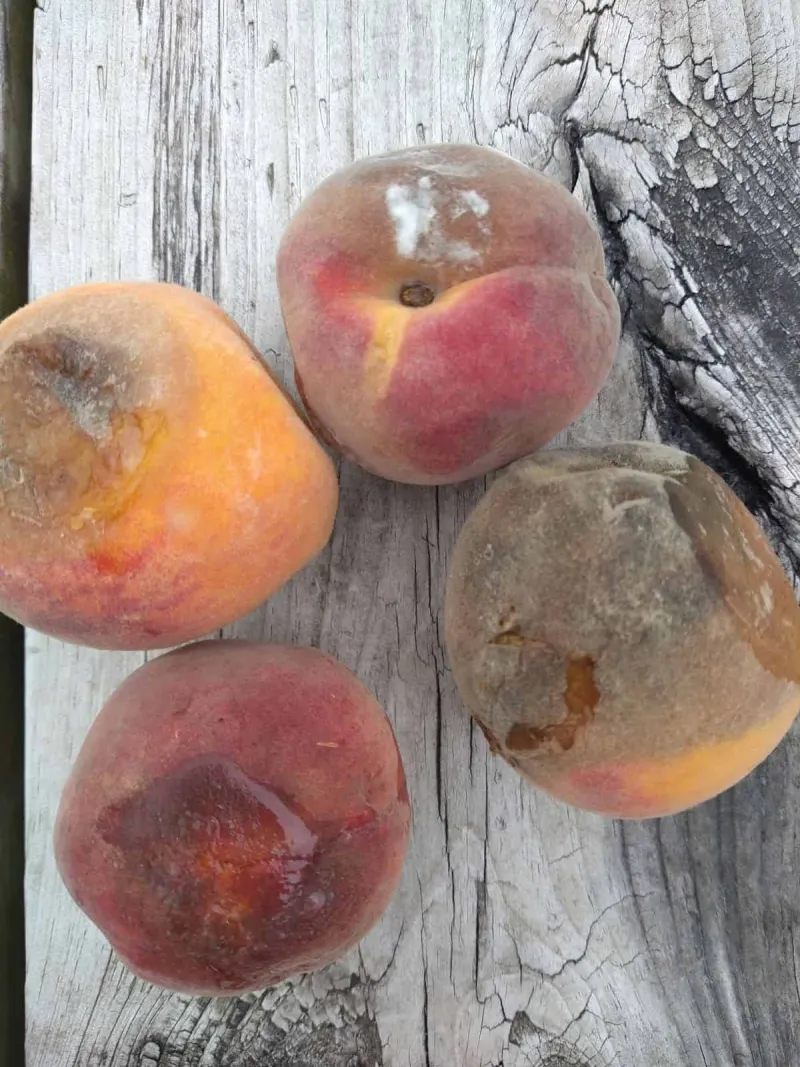
Photo: overripe bruised peach on wooden kitchen counter natural light, via www.eatlikenoone.com
Every August, somewhere in an American kitchen, a peach sits at the edge of the counter, quietly failing. It has a soft bruise along one shoulder. Its skin has split near the stem. It is too ripe to slice neatly, too ugly for the fruit bowl, and so it is thrown away — not with ceremony, but with a small shrug, as though the fruit itself had done something wrong.
At Momoiro Tomejuku, we begin where most kitchens end. The bruised peach is not a failure of the season. It is a subject of study, and like any subject, it rewards the student who looks again before closing the book.
The Word That Changes How We See Waste
The Japanese term mottainai is often translated as "don't waste," but the word carries more weight than that. It expresses a quiet regret when something of value is treated carelessly — a recognition that every object, including food, carries effort, time, and intention within it. A peach represents an entire year of someone's labor: the grower's pruning, the weather's cooperation, the truck driver's early morning, the market vendor's careful stacking.
To discard a bruised peach without thought is not merely to waste fruit. It is to disregard all of that unseen work. Traditional Japanese cooking, born from scarcity and refined by philosophy, treats this seriously. Fish bones become stock. Vegetable peels become pickles. Rice left in the pot becomes a porridge for the next morning. Nothing that carries nourishment is dismissed as unworthy.
The juku — the traditional Japanese schoolhouse — applies this same discipline to learning itself. A student does not discard a difficult problem; the difficulty is the lesson. The bruised peach works the same way. It asks us to slow down and examine our first judgment.
Reading the Bruise Before Acting on It
The first exercise in our peach study is diagnostic, not culinary. Before transforming an imperfect peach, we teach students to read it.
A bruise is simply cellular damage — the fruit's flesh softened where pressure broke its internal structure. The flavor beneath is often deeper and sweeter than the firm fruit around it, precisely because the sugars have concentrated. A split skin invites oxygen and, eventually, mold, but a split peach used the same day is entirely sound. An overripe peach, soft to the point of collapse, is not spoiled; it is at peak perfume.
The distinction students must learn is between damage and decay. Damage can be worked with. Decay — sour fermentation, visible mold, an off smell — means the fruit's story is over. Learning this boundary is the real lesson. Most of what Americans throw away sits safely on the damage side of the line.
Four Second Lives for the Judged Peach
Once the diagnosis is made, the kitchen becomes the classroom.
Jam. The bruised peach, with its soft flesh and concentrated sugar, is actually superior for preserves. Cut away only the truly spoiled parts, macerate the rest with sugar and a squeeze of lemon, and the very flaw that disqualified the fruit becomes its advantage. A peach too soft to slice cleanly was, all along, a peach meant for the jar.
A vinegar starter. Overripe fruit, left with a little sugar water in a clean jar covered with cloth, begins to ferment naturally. Within weeks, a modest homemade peach vinegar emerges — cloudy, alive, and useful in dressings and drinks. This is mottainai in its purest form: the fruit continues working even after we would have called it finished.
An ice cream base. Peaches too soft for eating fresh are ideal for steeping into custard. Their juice releases readily into cream, and their perfume, which firm fruit guards tightly, pours out freely. American home cooks often reserve their ripest peaches for eating out of hand; the juku kitchen reverses this, sending the softest fruit toward the richest preparations.
Skin-infused syrup. Most recipes discard the peel, yet peach skin holds much of the fruit's color and aroma. Simmer the skins briefly in water with a spoonful of sugar, strain, and you have a blush-pink syrup for iced tea or sparkling water — a whole additional use extracted from what the recipe books told you to throw away.
What We Learn by Looking Again
There is a reason this lesson belongs in a juku rather than a cookbook. A cookbook tells you what to do with a peach. A juku teaches you how to see one.
When a student transforms a bruised peach into jam, something subtle shifts. The next time they stand at the farmers market, they no longer reach only for the unblemished fruit. They notice the imperfect peaches, priced lower and ignored by the crowd, and they see possibility where others see defect. This is not frugality. It is a widening of attention — the same widening that Japanese tea masters practiced when they found beauty in the asymmetrical bowl.
The American food system, with its cosmetic standards and abundant supply, trains us to discard freely. Mottainai asks something harder of us: to treat each thing — and by extension, each person and each moment — as carrying value that deserves our care before we render judgment.
The bruised peach will not announce its worth. It will simply sit there, darkening slowly, waiting to see whether you are the kind of student who throws it away, or the kind who looks closer and finds a jar of jam, a bottle of vinegar, and a lesson that lasts well beyond the season.