Gathering at the Low Table: How to Run a Monthly Peach Study Circle in Your Dining Room
Photo: Robert Avalon, Unknown, CC BY 3.0, via Wikimedia Commons
A School With No Chalkboard
The traditional Japanese juku — the private cram school or study house — was never defined by its furniture. It was defined by its scale: a small room, a knowledgeable teacher, a handful of students, and one subject studied with unusual depth. Nothing about that model requires Japan, a certificate, or even a dedicated classroom. It requires only a table and a willingness to learn slowly, in company.
This is the argument for the peach study circle: a monthly gathering in your own dining room where four to eight friends practice a single peach technique, then sit down together to eat what they made. It is part cooking lesson, part potluck, and part philosophy seminar — and it fits, comfortably, into the room where you already eat dinner.
Choosing One Technique Per Month
The most common mistake is trying to cover too much. A juku-style session succeeds when it narrows. Assign each gathering one skill and let everything else fall away.
A workable twelve-month arc might look like this:
- Winter months (frozen fruit): knife work — the wedge, the supple half-moon slice, the peel in a single spiral
- Early spring: tea pairing — sencha, hojicha, and a lightly toasted white tea against poached peaches
- Late spring: quick pickles — salt-and-vinegar peach with rice wine vinegar
- High summer: no-cook study — tasting side by side, learning to read ripeness by scent and sound
- Late summer: syrup preserving — jars that will become gifts in autumn
- Autumn: fermentation — a simple lacto-fermented peach chutney started together
The point is not mastery in one evening. The point is that everyone leaves having practiced the same cut, tasted the same contrast, or filled the same jar — a shared reference point that deepens with each meeting.
Structuring the Two Hours
A session that drifts becomes a dinner party. A session that is over-scheduled becomes homework. Aim for a rhythm like this:
First 20 minutes — arrival and tea. Guests are greeted with a small cup of something warm. No peach talk yet. This mirrors the quiet settling-in of a real study house, where the day's noise is set down before the lesson begins.
Next 50 minutes — the technique. You demonstrate once, slowly, narrating what your hands notice. Then each guest does the work themselves while you circulate. Resist the urge to correct too quickly; let people struggle with a peach half for a moment before offering the knife adjustment.
Final 50 minutes — the shared meal. The fruit everyone just prepared becomes part of a simple table: rice, a soup, a vegetable dish, and the peach course made that evening. Conversation is the exam. What someone noticed while slicing is the review.
Keeping Costs Honest in the Off-Season
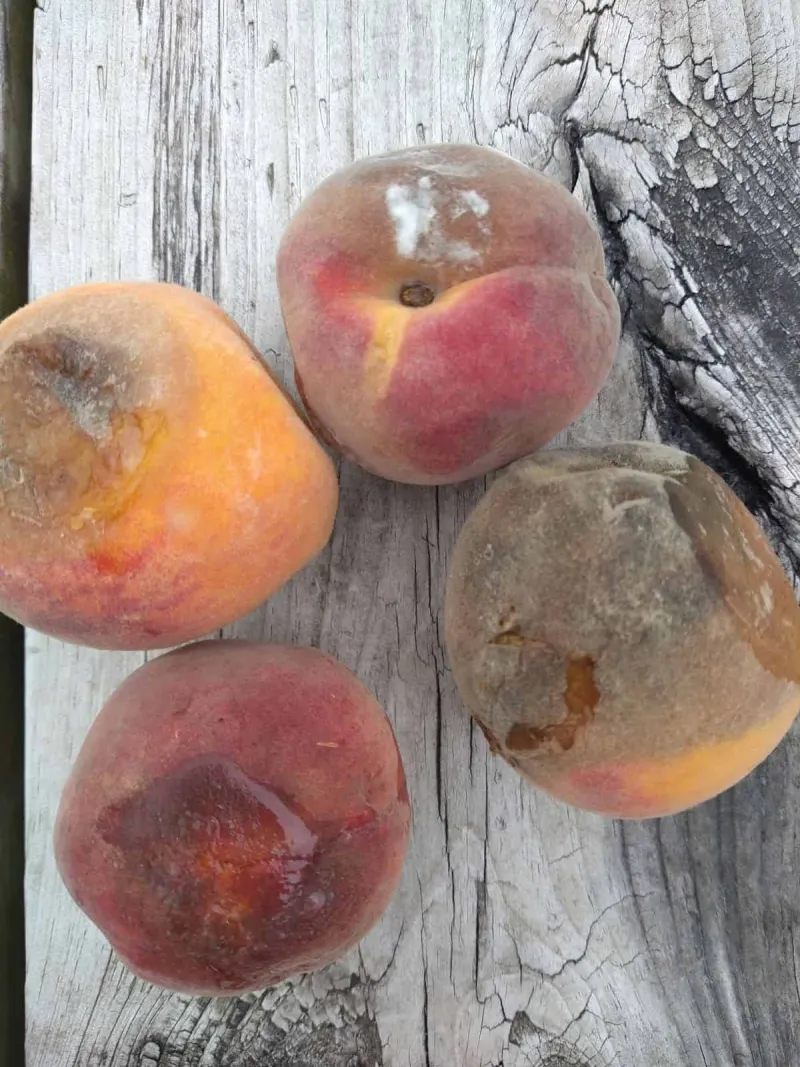
Peaches are a summer fruit, and a study circle that depends on peak-season fruit will collapse by November. Frozen peaches — widely available at American grocery stores like Trader Joe's, Kroger, and Costco — are not a compromise for this purpose. They are, in fact, an excellent teaching tool: uniformly ripe, already peeled, and forgiving for knife practice once partially thawed.
A few practical notes:
- Buy frozen peach slices in bulk and thaw them in the refrigerator overnight for slicing practice; slightly firm fruit holds an edge better
- Reserve fresh-fruit sessions for July through September, when local peaches from farmers markets or regional orchards are at their shun — their truest moment
- Keep the meal humble by design: rice, miso or a simple broth, one vegetable. The circle is about the study, not the spread
- Ask each guest to bring one item — tea, rice, a jar for preserving — which keeps costs distributed and gives everyone a small stake in the table
Why the Circle Matters More Than the Recipe
There is a reason the juku model endured for centuries in Japan while grander institutions rose and fell around it. Learning alongside others does something solitary practice cannot: it makes you accountable, it lets you see a dozen different hands attempt the same cut, and it turns a private kitchen skill into a shared inheritance.
When your neighbor finally cuts a peach half cleanly on the third try, and the table goes quiet for a moment — that is the lesson. Not the cut itself, but the attention it required, witnessed.
American home cooking culture tends toward the spectacle: the impressive dish, the photographed result. The study circle points the other way. It says that a single fruit, studied slowly with friends over many months, is enough. More than enough — it is a curriculum.
Beginning Next Month
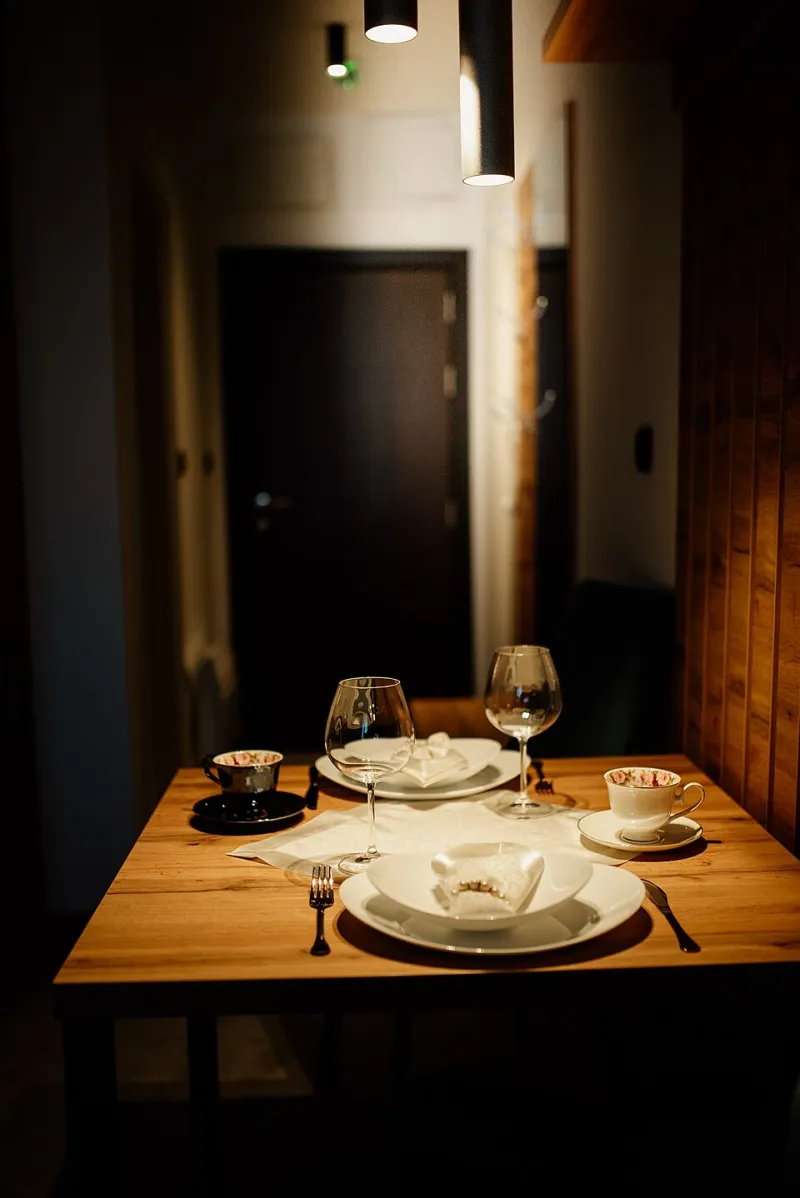
Send the invitation before you feel ready. Choose your first technique — knife work is the natural starting point, as it underlies everything else. Set a recurring date, the second Sunday of the month or whatever your households allow. Put out the good cups.
A juku does not need a building. It needs a teacher who is one lesson ahead, students who are willing to be beginners, and a table. If you are reading this at your dining room table, you already have two of the three.