The Main Hall of Peach Study: A Reader’s Guide to Momoiro Tomejuku

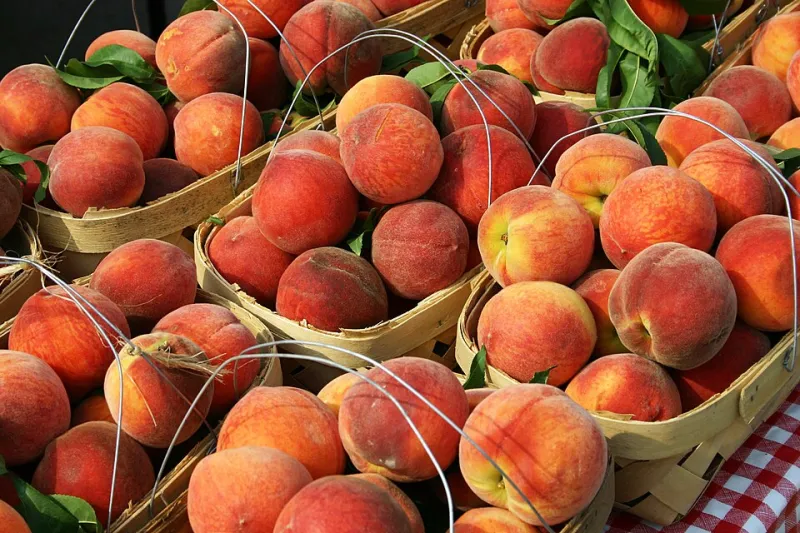
Photo: Basile Morin, CC BY-SA 4.0, via Wikimedia Commons
When a visitor arrives at Momoiro Tomejuku, they step not into a commercial marketplace but into a juku—a place of study. The word itself carries the weight of discipline, mentorship, and the slow accumulation of understanding. Here, the subject is the peach: its seasons, its etiquette, its transformations, and the quiet philosophy that surrounds its place on the Japanese table. This main page serves as the entry hall to that study, a space where curiosity is met with structure and where every reader is invited to become a student.
What Is Momoiro Tomejuku?
Momoiro Tomejuku is a culinary school without walls, devoted to the traditional peach recipes and home-cooking wisdom of Japan. It exists for the American cook who senses that a peach is more than a dessert ingredient—that it carries a season, a history, and a manner of handling that can be learned. The site’s name suggests both sweetness (momoiro, the color of peach blossom) and permanence (tomejuku, a place of enduring study). Together they describe an approach that treats the fruit with the same care one might give to calligraphy or tea.
This is not a collection of quick recipes. It is a curriculum. Each article, whether a technique lesson, a philosophical reflection, or a preservation guide, is written as a lesson for the home student. The tone is formal, the perspective neutral, and the aim is to equip the reader with knowledge that can be practiced and passed on.
The Three Pillars of the Juku
The site is organized around three existing categories, each representing a distinct area of study.
Food Culture & Philosophy
These articles examine the why behind the peach: the grammar of tasting, the meaning of shun (seasonal peak), the ethics of mottainai (avoiding waste), and the social rituals of giving and receiving fruit. They provide the intellectual foundation for the practical work, ensuring that technique is never separated from context.
Recipes & Techniques
Here the student finds hands-on instruction. From the proper way to cut a peach with a Japanese knife to the counter-ripening method that tests patience, these lessons are detailed and deliberate. They assume that the reader wishes to master the fruit, not merely consume it. You will find no shortcuts; you will find clarity.
Seasonal Pantry & Preservation
A peach season is brief, but its lessons can last. This category covers drying, fermenting, syrup-preserving, and freezing—methods that extend the fruit’s life while deepening its flavor. These are the arts of the Japanese pantry, adapted for the American kitchen.
How to Begin Your Study
New students often ask where to start. The recommendation is to read the foundational essay “Welcome to Momoiro Tomejuku: A Study of the Peach, Taught the Japanese Way” before moving to any practical lesson. It explains the spirit of the school and the expectations placed upon the learner.
From there, a sensible path is to follow the seasons. In late spring, study the selection and ripening of fruit. In summer, practice cutting and simple preparations. In autumn, turn to preservation. Winter offers a quiet period for reflection and for planning the next year’s study.
Every article is designed to stand alone, but together they form a progression. The student who reads widely will notice recurring themes: the importance of attention, the rejection of waste, and the belief that a single piece of fruit can be a teacher.
The Role of the Main Page
This page is not a blog roll or a news feed. It is the threshold. It exists to orient the visitor, to explain the school’s purpose, and to direct the reader toward the lessons that will serve them best. If you have arrived here after a mistyped URL or a broken link, consider it a fortunate detour: the main hall is the proper place to begin.
From this page, you can explore the three categories, read the introductory essay, or simply browse the titles that interest you. There is no registration, no fee, and no certificate—only the quiet reward of learning a traditional craft. The school’s teacher remains anonymous, but their voice is present in every paragraph: patient, exacting, and devoted to the peach.
A Note on the Current Year
In 2026, the study of the peach continues to evolve, yet its fundamentals remain unchanged. The fruit still ripens on the branch, the knife still requires a steady hand, and the season still passes quickly. Momoiro Tomejuku exists to help the American student meet these realities with skill and respect. Whether you are a home cook, a gardener, or simply a curious eater, the main hall is open. Welcome to your study.