The Fail Speech: Why My Peach Juku Teacher Made Every Student Ruin One Batch on Purpose
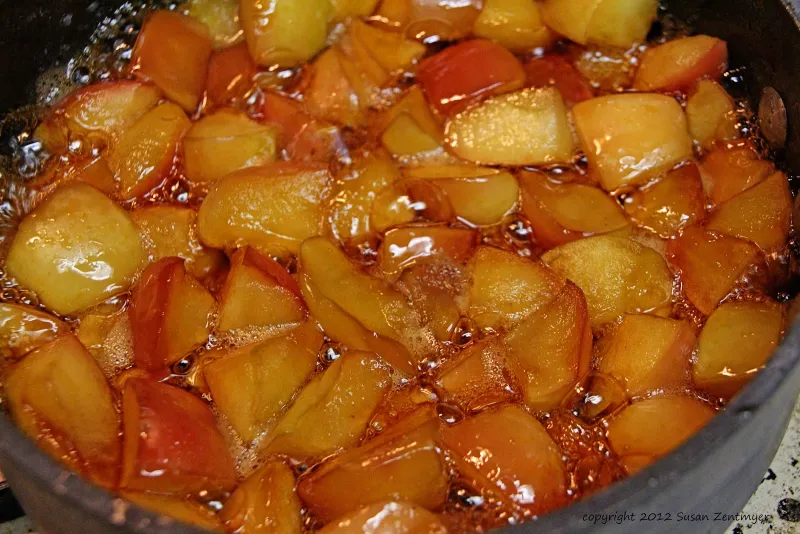
Photo: burnt caramelized fruit compote in saucepan on stove, via blogger.googleusercontent.com
Before my first lesson at the juku began, before any knife was lifted or any peach was washed, our teacher stood at the head of the low table and delivered what the returning students called the Fail Speech.
She held up a jar of compote from a previous season — dark, syrup gone to candy, fruit collapsed into shadow of itself — and said, in careful English: "This is a good jar. I made it badly on purpose. Today, you will each make one too."
I thought I had misheard. I had driven forty minutes with a paper sack of ripe New Jersey peaches, a new paring knife, and the quiet hope of impressing a room of strangers. Instead, my first assignment was to ruin something.
The Lesson Hidden in the Ruined Jar
In Japanese craft traditions — pottery, calligraphy, cooking — the beginner is often asked to fail early and fail consciously. The reasoning is practical, not cruel. A student who has never burned sugar does not truly know where sugar's tolerance ends. A student who has never over-salted a pickle brine understands salt only as an ingredient, not as a force. The failure is not the opposite of the lesson. It is the lesson, delivered in the only language the tongue fully trusts.
Our teacher called this shippai no jugyou — the failure class. She argued that a cook who has tasted their own mistake carries that knowledge differently than one who has only read about it. The burned batch lives in the body. It returns unbidden at the stove, a small alarm bell years later when syrup begins to darken a shade too fast.
She was also making a quieter argument, one aimed squarely at how we had all been raised. Every student in that room had learned to cook from American media: glossy magazine spreads, television competitions, and recipe blogs where every photograph shows fruit at impossible, unblemished perfection. We had absorbed, without noticing, the belief that a good cook produces good food every time. The Fail Speech existed to break that belief on day one, before it could do damage.
Permission Is the Hard Part
Here is what surprised me: the destruction was easy. The permission was not.
Several of us hesitated at the stove, hands hovering over the heat, unable to commit to ruining fruit we had paid good money for. One student asked if she could instead make a slightly bad batch — under-sweeten it, perhaps, a dignified failure. The teacher refused. A polite failure, she said, teaches politeness. Only a real failure teaches the ingredient.
This is where the American context matters. We are a culture of recipe ratings, five-star reviews, and comments sections that begin "Made this with substitutions and it was terrible, one star." Our cooking culture has little vocabulary for productive failure. A ruined batch reads as waste, and waste reads as moral failing — a long way, geographically and philosophically, from mottainai, which treats the wasted thing as a teacher rather than an accusation.
The juku reframed it entirely. The four dollars of peaches destined for the burning pan were not wasted. They were tuition.
Your First Failure Exercise
You can run this exercise at home with the first peaches of your season. Do it before you attempt anything you care about. Set aside one hour, four or five ripe peaches, and a willingness to be a beginner.
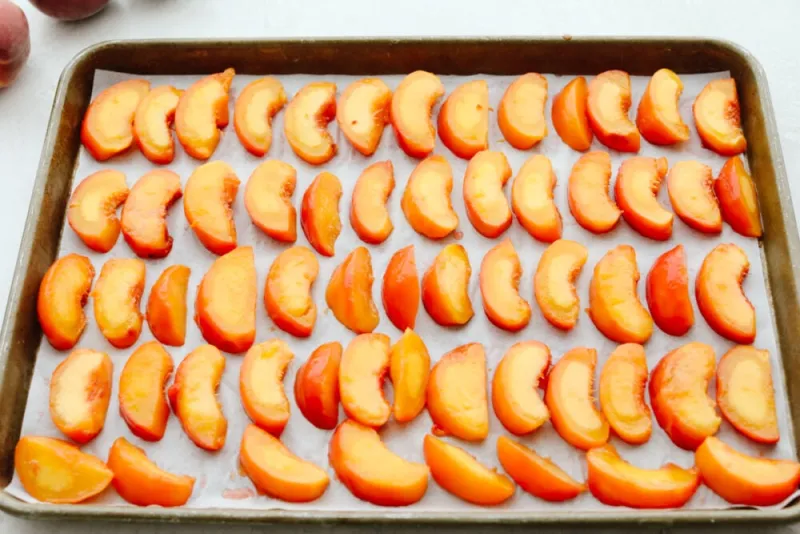
Step one: Make a proper batch. Peel, pit, and slice your peaches. Cook half of them gently with a modest amount of sugar — two tablespoons per pound is plenty — over low heat until the fruit holds its shape and the syrup is clear and light. Taste it. Write down what you notice: the brightness, the give of the fruit, the way the syrup coats a spoon.
Step two: Make the failure batch. Now cook the other half with deliberate excess. Choose one variable and push it past reason. Options, in ascending order of drama:
- The over-salt. Add a full teaspoon of salt to the compote. Taste it warm, then taste it chilled the next morning. Notice how cold changes salt's cruelty.
- The over-sugar. Use a full cup of sugar. Watch the syrup turn dense and candy-bound as it cools. This is the batch that teaches you what sugar does, not just what it sweetens.
- The burn. Raise the heat and let the bottom catch. Do not stir. Smell it. That acrid edge is the boundary line every compote maker spends a lifetime respecting.
Step three: Taste them side by side. Proper batch and failure batch, spoon by spoon, ideally with a friend or family member as witness. Then write down what you learned — not what went wrong, but what the ingredient revealed about itself. A peach journal entry that begins "I learned salt does X" will outlast any recipe.
What the Ruined Batch Gives Back
I have kept the lesson longer than any successful dish from that first summer. When my own compote threatened to scorch two seasons later, some internal alarm sounded at exactly the right moment — an alarm installed, I am certain, by that deliberately burned jar.
There is also a gentler gift. Once you have failed on purpose, with a teacher's blessing, the accidental failures lose their sting. The jam that doesn't set, the peach that turns mealy, the cobbler that slumps — these become information rather than indictment. American home cooks do not need more perfect photographs. We need more ruined jars, and someone standing beside us saying: good, now you know.
Make your failure batch this season. Label the jar. Keep it in the back of the refrigerator for a few days, and taste it whenever your confidence needs humbling. It is, our teacher insisted, the most honest jar in the house.