The Slow Patience of String and Skin: Hang-Drying Peaches at Home
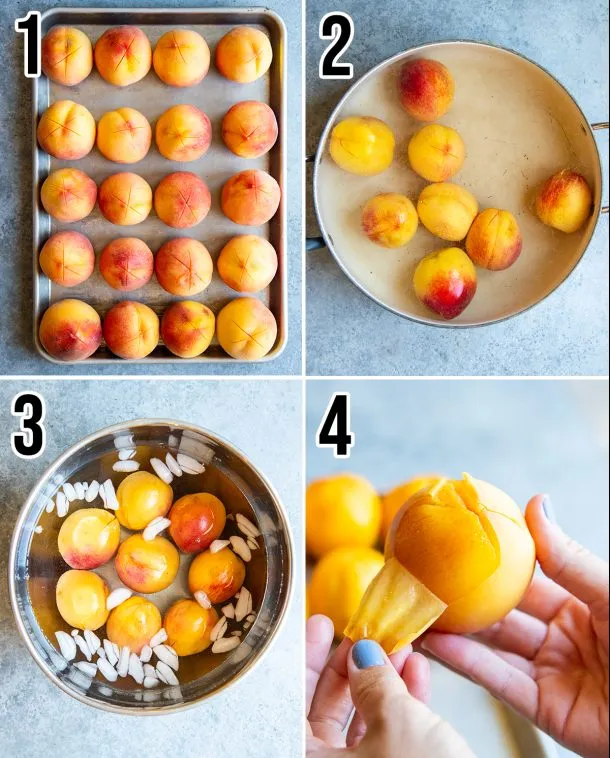
Photo: peeled peaches hanging on strings drying traditional, via i0.wp.com
In the persimmon orchards of Nagano and Fukushima, autumn brings a peculiar and beautiful sight: hundreds of peeled fruits suspended from bamboo racks, swaying in the cold mountain air. This is hoshigaki — the art of drying by hanging — and it produces a fruit transformed: dense, dark, dusted with natural sugars, and possessed of a chew that no dehydrator can replicate.
At Momoiro Tomejuku, we believe the peach deserves the same patient treatment. What follows is a practical guide to adapting this method in an American home kitchen, based on techniques passed down through our instructors' training in traditional preservation households.
Why Hang-Drying Works for Peaches
Hanging accomplishes two things a machine cannot. First, gravity and air circulation draw moisture evenly from all surfaces, concentrating sugars slowly over three to five weeks. Second, the periodic massage — a signature step of hoshigaki — breaks down interior fibers and redistributes moisture, yielding a soft, marmalade-like center rather than a leathery chip.
The result is closer to a confection than dried fruit. Sliced thin, a finished peach tastes of honey and apricot with a firm, yielding bite.
Choosing and Preparing Your Fruit
Variety matters enormously. You want peaches that are:
- Firm-fleshed and non-clinging — yellow-fleshed freestone varieties such as Redhaven, Elberta, or Cresthaven hold their structure. Avoid very soft, juicy varieties like White Lady, which tend to slump and mold.
- Just shy of ripe — fruit should yield only slightly to pressure. Fully ripe peaches contain too much moisture for the long hang.
- Medium-sized and uniform — roughly tennis-ball sized fruits dry most evenly.
Plan for heavy shrinkage: a five-pound batch of fresh peaches yields perhaps ten to twelve ounces of finished fruit.
Equipment
- A sharp paring knife or peeler
- Kitchen twine or strong cotton string, cut into 24-inch lengths
- A bamboo skewer or small screwdriver (for anchoring string)
- A drying rack, bamboo poles, or a tension rod set across a well-ventilated corner
- Cheesecloth or food-safe netting to keep flies away
The Process, Step by Step
1. Peel completely. Unlike some Western drying methods, hoshigaki requires full peeling — the skin blocks moisture escape. Work carefully to preserve the fruit's shape.
2. Anchor the string. Push a skewer through the stem end, hook the string around it, and withdraw the skewer so the string sits firmly in the flesh. Alternatively, tie a loop of string around the pit end if your fruit is large enough.
3. Hang with space. Suspend each peach so pieces don't touch. A spare bedroom corner, a covered porch, or a garage with airflow works well — anywhere out of direct sun with humidity below about 60 percent.
4. Massage weekly. After the first week, when the surface has firmed, gently press each peach with clean fingertips for a minute or two. Repeat every four to five days. You will feel the fruit soften and flatten slightly — this is desirable. If any white sugar crystals bloom on the surface, as they often do in persimmons, treat it as a blessing; it signals proper curing.
5. Cure to finish. After three to five weeks, the peaches should feel uniformly supple, with no wet spots. Some practitioners finish with a brief exposure to cold air overnight, which draws out residual sugars. Store in an airtight container in the refrigerator, where they will keep for months.
Troubleshooting
- Mold (fuzzy, colored): Discard affected fruit. Improve airflow and reduce crowding.
- Surface yeast (white, powdery, pleasant-smelling): This is natural sugar bloom — wipe gently or leave it.
- Case-hardening (dry shell, wet center): Your peaches were too ripe or the room too warm. Massage more aggressively to redistribute interior moisture.
Using Your Dried Peaches
In the Japanese tradition, serve thin slices with green tea, or steep a piece in hot water for a natural fruit tea. Simmered briefly in dashi with a touch of soy, they lend sweetness to braised dishes.
For American tables, chop them into morning oatmeal, steep them in bourbon for an old-fashioned variation, bake them into scones, or rehydrate in warm water and fold the softened fruit into vanilla ice cream. A whole peach, tied with twine and wrapped in washi paper, also makes a gift of quiet elegance.
The method asks only for string, air, and weeks of patience — a small price for a taste of summer held through winter.