The Short Season: What Japanese Kitchens Understand About the Peach That Most American Pantries Forget
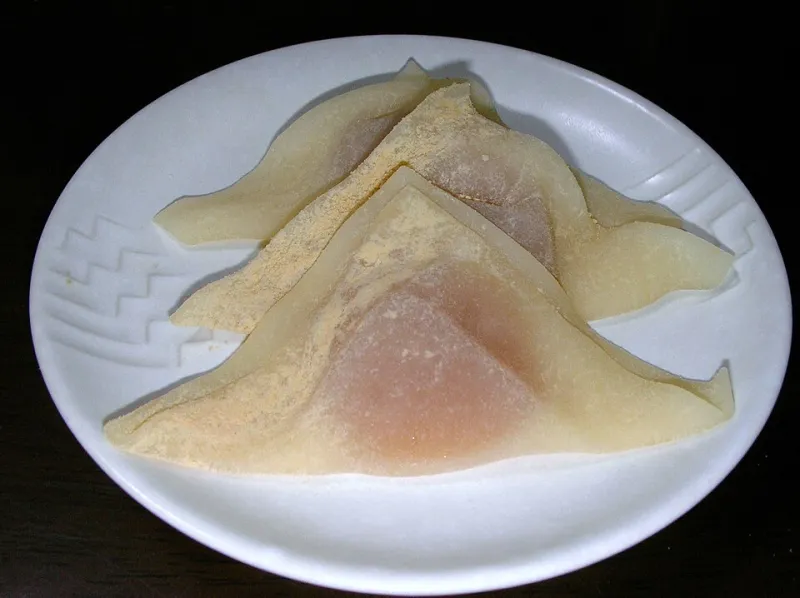
Photo: en:Nightshadow28, CC BY-SA 3.0, via Wikimedia Commons
Walk through a Japanese grocery store in late June and you will notice something peculiar: an entire shelf devoted to a single fruit, each peach wrapped in its own foam net, priced like a small luxury. In the United States, peaches are background produce—cobbler filling, yogurt swirl, a summer afterthought. In Japan, they are an occasion.
At Momoiro Tomejuku, our name borrows from this reverence. Momoiro means peach-pink; tomejuku evokes a place of study and refinement. We believe the peach deserves the same seriousness American cooks grant the tomato in August or the apple in October. The Japanese framework that makes this possible is called shun (旬)—the idea that every ingredient has a brief window, often just two or three weeks, when it reaches its absolute peak. Eating within that window is not a trend. It is a discipline, almost a form of politeness toward the ingredient itself.
Folklore Before Flavor
Before the peach ever reached a Japanese cutting board, it carried weight on the page. In the Kojiki, Japan's oldest written chronicle, a peach fruit halts the pursuit of demons—a detail that made the tree a traditional talisman against evil. Setsubun rituals still scatter roasted soybeans with peach branches in some regions, and the Dolls' Festival each March is called Momo no Sekku, the Peach Festival, because peach blossoms were believed to ward off misfortune from young girls.
This symbolism matters to cooks. When an ingredient is considered auspicious, you do not bury it under sugar and call it a day. You present it. Traditional confectioners in Okayama—Japan's peach heartland—still shape wagashi around the fruit, and home cooks treat the season's first peach with a ceremony closer to unboxing a gift than washing produce.
The Season, Measured in Weeks
Japanese peaches, particularly the white-fleshed varieties like Shimizu Hakuto, are harvested slightly underripe and ripened with care, producing a perfume and low acidity that many Americans have simply never tasted. The commercial US supply chain, built for durability, picks firmer yellow-fleshed fruit that ships well but sacrifices aroma.
The result is a philosophical gap: American shoppers often buy peaches expecting disappointment. Japanese shoppers buy them expecting an event. Shun reframes the purchase. You are not buying fruit for the week; you are buying this week's fruit, and planning around it.
Three Traditional Ways the Season Is Honored
Peach syrup (momo shiroppu). Sliced peaches layered with rock sugar and left to macerate in the refrigerator for a day or two yield a pale, fragrant syrup poured over shaved ice, folded into sparkling water, or drizzled over plain yogurt. It is the simplest possible preservation—no heat, no pectin—letting the fruit speak at full volume.
Peach paired with shiro-an. White bean paste (shiro-an), the gentle, less-sweet cousin of the red bean paste in most American sushi-adjacent desserts, is the traditional partner for delicate fruit. A thin disc of chilled shiro-an topped with a slice of peak-season peach is a standard nerikiri-style sweet: two subtle things meeting in the middle.
Momo in the pickling crock. Less known in the West is the practice of adding young peach or peach leaves to pickling vessels, where the fruit's aroma perfumes the brine. Peach-leaf mochi, dyed and scented with the leaves, has been a spring confection for centuries. The principle is the same throughout: the peach contributes fragrance, not just sweetness.
Bringing Shun to an American Kitchen
You do not need Okayama fruit or a pickling crock. You need a plan. Consider these adjustments:
-
Shop with a calendar, not a list. Find your local peach window—usually July through August in Georgia, South Carolina, and the Northeast—and commit to buying only then. A farmers market vendor can tell you the exact week your favorite variety peaks.
-
Buy less, more often. Two or three peaches at a time, ripened on the counter and eaten within 48 hours, will outperform a full bag every time.
-
Reserve the best, transform the rest. Fruit too soft to slice becomes syrup: layer it with sugar in a jar, refrigerate, and strain after two days. Nothing is wasted; everything is timed.
-
Serve the fruit alone. The most Japanese thing you can do with a perfect peach is nothing at all—chilled, peeled, sliced into clean wedges, and presented on a plain plate. Restraint is a recipe.
A Closing Thought
Shun asks a question that American food culture, with its year-round everything, rarely poses: what would it mean to wait for something? The peach, pink and perishable, is a fine place to begin practicing the answer. When the season arrives in your region this summer, treat it as the old chronicles did—as something worth honoring, briefly and completely.