From My Sensei's Kitchen: Five Heirloom Peach Techniques I Learned Studying at a Traditional Japanese Juku
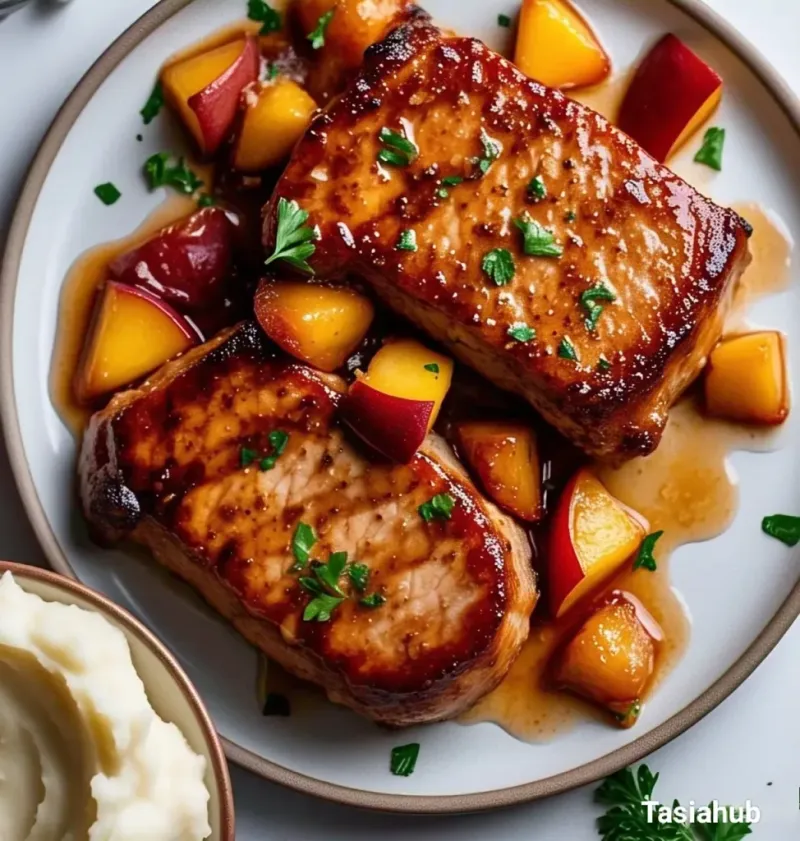
Photo: peach miso glaze on grilled pork chops rustic Japanese kitchen, via www.tasiahub.com
For six months, I studied under an eighty-one-year-old instructor at a small cooking juku outside Osaka, and the first thing she corrected was not my knife work. It was my imagination. "You Americans," she said, not unkindly, "put peaches in pie and stop there." What followed was a series of lessons in just how far a single piece of stone fruit can travel across a Japanese home kitchen—into morning drinks, chilled soups, preserving crocks, liquor bottles, and the grill.
Below are five of her techniques, tested and adapted for American kitchens. None requires specialty equipment. Most requires only patience, which she insisted was the real ingredient.
1. Peach Amazake: The Fermented Morning Cup
Amazake, the sweet, low-alcohol rice drink traditionally sold from winter carts, takes on a different personality when ripe peach is added at the end. Fermentation is the backbone here: combine 2 cups cooked short-grain rice with 2 cups water and ½ cup koji (find it at any Asian grocer or online; it sits beside the miso). Hold the mixture at roughly 130°F for 8 hours in an Instant Pot on the yogurt setting or a wrapped cooler. Then blend in one ripe, mashed peach and warm gently—do not boil, or the aroma vanishes.
The result is creamy without dairy, sweet without sugar. My sensei called it "breakfast you can drink," and she served it slightly warm even in July.
2. Momo-Fu Dumplings in Chilled Soup
Here is the technique that rewired my understanding of fruit. Fu—wheat gluten dumplings—can be made with peach juice instead of water. Whisk ¾ cup fresh peach purée (strained) into 1 cup vital wheat gluten, knead briefly, and let rest 20 minutes. Tear into bite-sized pieces and simmer for 10 minutes. The dumplings emerge tender, faintly pink, and perfumed.
Chill them, then serve in a cold dashi: 2 cups dashi (instant granules are a fine swap) with a teaspoon of soy sauce and a drop of mirin, poured over ice with cucumber ribbons and shiso if you can find it. It is the most refreshing bowl I know, and a genuine conversation starter at a summer dinner party.
3. Peach Umeboshi-Style Preserve
Umeboshi—salt-pickled sour plums—are Japan's beloved pantry staple, and the same method works beautifully with underripe, tart peaches, which carry a similar acidity. Halve firm, barely ripe peaches, toss with 10% of their weight in coarse kosher salt, and pack into a clean glass jar weighted down (a small zip-top bag of water works). After three days, pour off the brine, add a handful of washed and dried shiso leaves if available, and rest in the refrigerator for two weeks.
The result: intensely salty, tart, aromatic preserve to serve with steamed rice in the manner of umeboshi—alongside grilled chicken, or minced into salad dressing. A little goes a long way.
4. Peach Shochu Maceration
For this, my sensei allowed exactly one shortcut: unflavored soju from the liquor store behaves almost identically to shochu and costs less. Layer 4 ripe but firm peaches, cut into wedges, in a large jar with 3 tablespoons rock sugar (or raw sugar) and cover with 750ml soju. Seal and store in a cool, dark cabinet for at least one month; two is better.
The fruit slowly surrenders its perfume to the spirit, mellowing it into something round and floral. Serve one finger's worth over a large ice cube. The softened fruit, she insisted, must be eaten—it belongs to whoever did the dishes.
5. Savory Peach Miso Glaze
The lesson that surprised me most. Miso-glazed eggplant (nasu dengaku) is classic; my sensei simply moved the technique to pork, chicken, and even grilled peaches themselves. Whisk 3 tablespoons white (shiro) miso, 2 tablespoons mirin, 1 tablespoon sake or dry white wine, and 1 tablespoon peach purée into a smooth paste. Brush onto pork chops in the final five minutes of grilling—the sugars scorch easily—or spread over halved peaches and broil until blistered.
The glaze is salty, sweet, and deeply savory, and it makes the strongest possible argument that the peach belongs at dinner, not only dessert.
A Note on Swaps
Every recipe above was adapted with the American pantry in mind: soju for shochu, instant dashi for homemade, vital wheat gluten for traditional fu flour, kosher salt for the coarse pickling salt she used. She approved of all of it. "Technique travels," she told me on my last day. "Ingredients are just where you happen to live."
Start with the syrup-simplest of the five—the macerated shochu—and let the season's peaches decide the rest.