After the Last Peach: Brewing Tea From Dried Skins in the Late-Autumn Kitchen
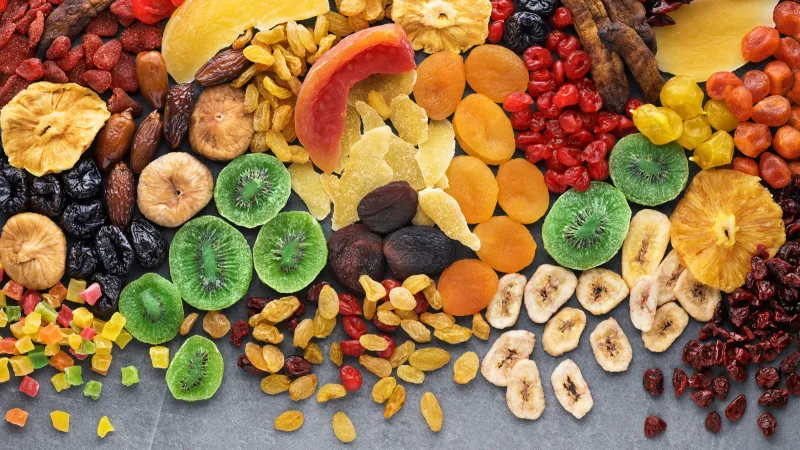
Photo: dried peach skins tea in glass cup autumn kitchen, via www.tastingtable.com
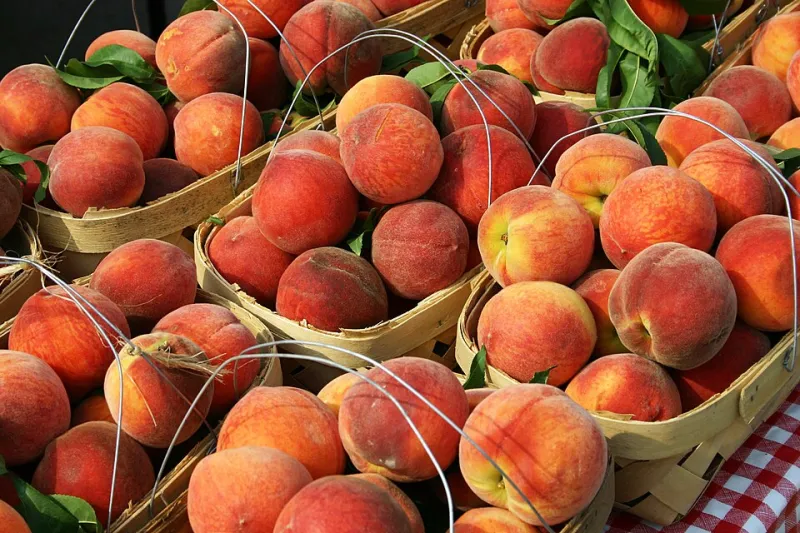
By late November, the last fresh peaches have vanished from most American markets. The farmers market stalls have turned to apples, quince, and root vegetables, and the memory of summer fruit begins to feel like a rumor. In the juku, this is not a season of absence but a season of another practice. From the skins saved during the summer's preserving, a quiet tea can be made—fragrant, amber, and useful. The method is simple, but it carries a larger lesson in mottainai, the habit of not wasting what still has value.
A Jar of Summer in November
When peaches were peeled for jam, compote, or freezing, the skins could have gone into the compost. Instead, spread them on a dehydrator tray and dried them until brittle. The result is a pantry ingredient that keeps the perfume of the fruit without its water. In late autumn, a tablespoon of those dried skins, lightly toasted and steeped in hot water, produces a tea that tastes like the memory of a peach rather than the fruit itself. It is not a substitute for summer. It is a way of keeping faith with it.
Drying the Skins Safely
Use skins from peaches that were washed well and were not moldy or fermented. If the fruit was not organic, wash it thoroughly before peeling. Spread the skins in a single layer on a dehydrator tray and dry at 125°F for four to eight hours, until they are brittle and snap when bent. An oven set to its lowest temperature with the door slightly ajar can work, but a dehydrator gives more even results. Cool the skins completely, then store them in an airtight jar in a dark cupboard for up to three months, or in the refrigerator for up to six. Label the jar with the date.
Toasting and Brewing
Dried skins are pleasant, but toasting them deepens their flavor. Warm a dry skillet over low heat and add the skins. Stir them for three to five minutes, until they smell nutty and faintly floral. Do not let them scorch. For one cup of tea, use one tablespoon of toasted skins and eight ounces of water just below a boil. Steep for four to six minutes, then strain. The liquor should be pale amber with a soft peach aroma. If it tastes thin, add a little more skin next time; if it tastes bitter, shorten the steep.
Pairings for the Late-Autumn Cup
Peach skin tea is gentle, so it takes well to a few companions. A thin slice of fresh ginger adds warmth without masking the fruit. A teaspoon of roasted barley, steeped with the skins, gives a toasty base reminiscent of mugicha. A piece of kombu is too strong, but a few toasted rice grains can add a quiet sweetness. Avoid heavy spices such as cinnamon or clove, which overwhelm the delicate aroma. Serve the tea plain, or with a drop of honey if the evening calls for it.
A Practice of Memory
The off-season lesson is not about pretending that November is August. It is about extending the practice of attention beyond the height of the season. A jar of dried skins on the shelf is a small archive. It says that the peach was here, that its perfume was worth keeping, and that the kitchen knows how to wait. In the juku, that is enough. The tea is not a luxury. It is a way of thanking the fruit for what it gave, and of preparing the palate for the next summer's first slice.